
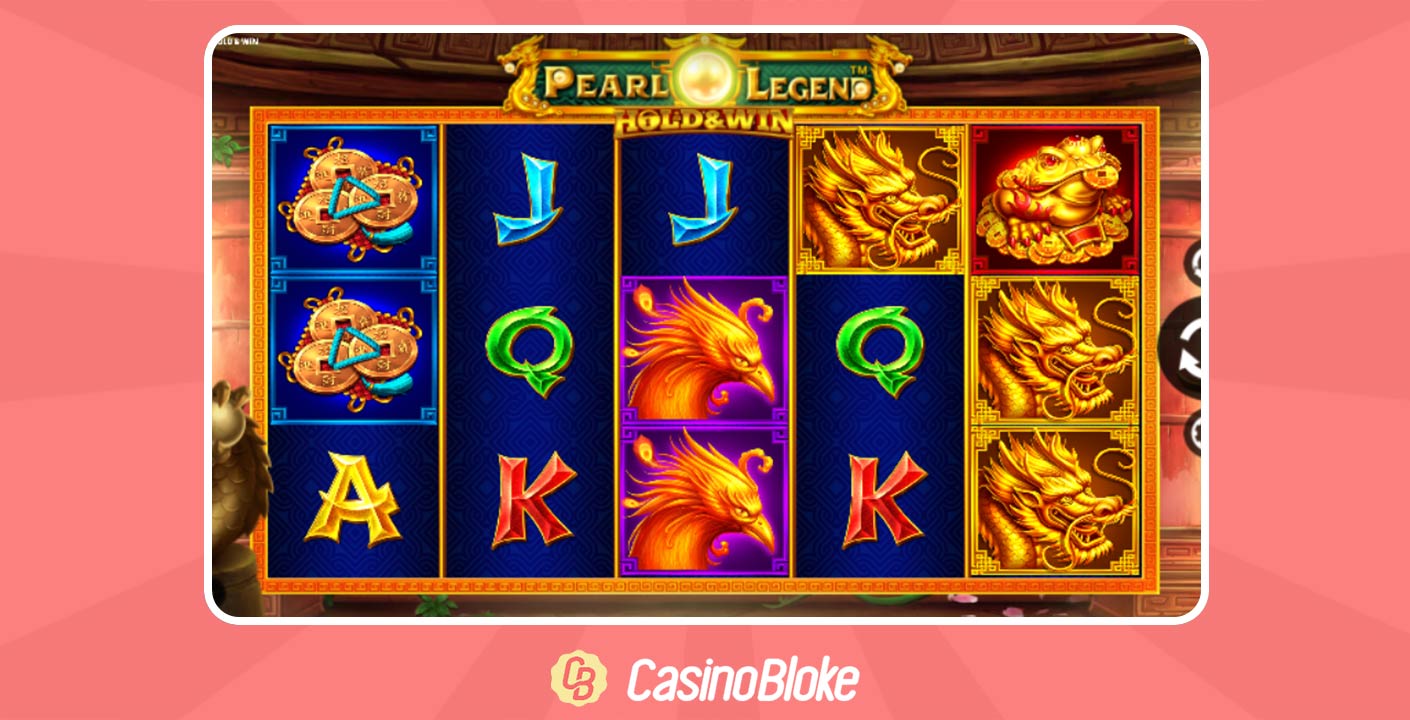

I vividly recall the initial time I opened a Hold and Win slot without completely knowing what the golden symbols signified. As a UK-based beginner, I sought a risk-free way to get the hang of it before committing any of my own money. That hunt led me to holdandwin.eu, a platform dedicated entirely to demo training sessions for Hold and Win Games. The experience ended up being far more instructive than I had anticipated. Instead of going through abstract guides, I could play the reels, activate the bonus rounds, and observe the mechanics unfold at my own pace. What hit me right away was how uniquely each title operates, even when they share the same core feature. The demo environment gave me room to commit errors, try out theories, and slowly develop a practical understanding that no static tutorial could deliver. For any UK player interested in these games, I think structured practice sessions are the most effective starting point. Hold and Win slots have become a staple at UK-licensed online casinos, yet their layered bonus systems can puzzle beginners. By investing time in demo mode, I figured out the rhythm of respins and jackpot tiers without economic strain.
How Demo Training Sessions Help for New Players
Before I began using demo training sessions, I underestimated how much a new slot mechanic could confuse me. Real-money play creates a layer of urgency that impairs judgement, especially for someone still learning the rules. By eliminating the financial risk, the demo mode on holdandwin.eu let me focus purely on the game logic. I could pause after each bonus round, think about what happened, and even replay the same title multiple times to identify trends. This deliberate practice is something that live casino sessions rarely allow. For UK players, the advantage is heightened by the fact that many Hold and Win games feature complex jackpot structures that differ from traditional slots. Without prior exposure, it is easy to misread a near-miss or overvalue a small win. The training sessions gave me a mental library of scenarios, so when I later played with real stakes, I knew situations and made calmer decisions. I also found that the demo mode helped me pinpoint which variations of the mechanic I genuinely enjoy, saving me from wasting money on titles that look appealing but feel frustrating. This alone made the demo sessions worthwhile, as I avoided several deposits on games I did not truly enjoy.
Fund Management Without Real Money Pressure
One of the most valuable lessons I derived from demo training sessions was how to handle a bankroll without the emotional weight of real losses. On holdandwin.eu, I experimented with different staking plans, watching how a balance of 1,000 credits could withstand a dry spell of 200 spins. I experimented with flat betting, where I maintained the wager constant, and matched it to a progressive approach where I boosted the bet after a bonus round hit. The demo environment allowed me to see the long-term effects of each strategy. I discovered that Hold and Win games often require patience because the bonus frequency can be low, and the respins feature might not always provide a profit. By following my virtual balance over multiple sessions, I formed a realistic expectation of the swings involved. This exercise was priceless when I later transitioned to real-money play at UK-licensed casinos. I already knew that a session bankroll of 100 pounds at 0.20 per spin gave me roughly 500 spins, and I could calculate how many bonus rounds I might see. The practice sessions had given me a statistical grounding that stopped me from chasing losses or overbetting.
Arranging Your Premier Practice Session on holdandwin.eu
Opening the demo training sessions on holdandwin.eu required no registration or deposit, which instantly put me at ease. I simply opened the site, scanned the library of Hold and Win Games, and chose a title that caught my eye. The game loaded in a browser window with a entire set of virtual credits, usually starting at a few thousand units. I appreciated that the interface mirrored the real-money versions found at UK online casinos, down to the sound effects and paytable layout. Before spinning, I paused to check the game rules and the jackpot values displayed on screen. I also adjusted the bet level to see how it impacted the potential prizes, something I would later use to test bankroll strategies. One tip I picked up early: treat the virtual balance as if it were real money from the start. Establishing a session limit in my mind, even with play funds, assisted me build discipline. I would often note down how many spins it took to trigger the bonus round and whether the feature provided a return above the initial bet. These small habits turned casual play into a structured training exercise.
Grasping the Hold and Win Mechanic
When I first encountered a Hold and Win game, I thought the bonus round would be a simple pick-and-click event. In practice, the mechanic focuses on special symbols that lock in place during a respins function. Typically, landing a certain number of scatter or bonus symbols activates a set of three respins. Each time a new bonus symbol appears, it sticks to the reels and resets the respin count back to three. The round finishes when you run out of respins or fill all slots. Prizes attached to the symbols vary from small multipliers to fixed rewards, often displayed above the reels. I noticed that some titles add a collect symbol that gathers all visible amounts, while others introduce expanding reels or progressive elements. Understanding these nuances took me several demo plays, but the process felt like solving a puzzle rather than gambling. The demo environment on holdandwin.eu allowed me to trigger the feature repeatedly and observe how different symbol distributions affect the outcome. That hands-on repetition clarified the mechanic far better than any written explanation, and it gave me the confidence to explore more complex versions.
Frequent Blunders Newcomers Do and In What Manner Practice Aids
Reflecting at my early demo sessions, I can identify several errors that I repeatedly made until the practice environment rectified them. Many of these mistakes originate from misunderstanding the Hold and Win rules or letting excitement overpower logic. The advantage of training on holdandwin.eu was that I could make these errors without consequence, then consciously adjust my approach. I detected similar patterns among friends who also started with demo play. The most frequent pitfalls are worth highlighting because they are easy to avoid once you are aware of them.
- Presuming that filling all positions with bonus symbols secures the Grand Jackpot. In reality, many games require a specific combination or a collect symbol to unlock the top prize, a nuance I only comprehended after several dry runs.
- Raising the bet size dramatically after a losing streak, hoping to recover losses quickly. Demo play demonstrated me that this tactic often exhausts the balance faster without improving bonus frequency.
- Overlooking the paytable and jackpot tiers before spinning. I used to jump straight into the game, missing critical information about symbol values and feature triggers, which led to confusion during respins.
- Misreading a near-miss as a sign that a bonus is due. The random nature of slots became clear after thousands of demo spins, where I saw long gaps between triggers regardless of previous outcomes.
- Failing to set a loss limit even in demo mode, which meant I sometimes played for hours without purpose. Structured sessions with a clear endpoint boosted my focus and retention.
Identifying Volatility and Feature Frequency in Demo Mode
Risk level is a term often mentioned in slot reviews, but experiencing it in person in demo training sessions provided me with a concrete sense of what it means https://holdandwin.eu/. On holdandwin.eu, I dedicated hours with different Hold and Win Games, observing how often the bonus round activated and the size of the payouts. Some titles delivered frequent but minor respins, while others made me wait for hundreds of spins prior to a single trigger, only to award a substantial jackpot. I proceeded to categorise the games into low, medium, and high volatility according to my own session data. This experiential classification assisted me in match my play style with the right game type. As a beginner, I leaned toward medium-volatility titles that presented a compromise between entertainment and the occasional bigger win. The demo mode also demonstrated how feature frequency can be affected by bet size in some games, a detail I would have missed in real-money play where the cost of testing would be prohibitive. By the time I considered myself ready to wager real money, I possessed a comprehensive map of which Hold and Win variants matched my patience level and budget. This readiness turned what could have been a expensive learning curve into a fluid and educated entry.
Shifting from Demo Sessions to Actual-Money Play
When I eventually chose to play Hold and Win Games with real money at a UK-licensed casino, the transition felt remarkably smooth. The demo training sessions had provided me a solid foundation, but I still adopted a cautious approach. I commenced with small stakes, mirroring the bet levels I had used during practice. The first few real-money sessions were more about validating my comfort level than seeking big wins. I realized that the psychological shift was real; even though I knew the game mechanics inside out, the involvement of actual funds added a layer of tension. However, because I had already experienced hundreds of bonus rounds in demo mode, I did not fret when the respins feature fell short. I also adhered to the bankroll limits I had verified, which stopped me from making impulsive top-ups. One surprising benefit was that I could better value the entertainment value, having distinguished the learning phase from the wagering phase. For UK beginners, I simply cannot exaggerate the value of this two-step approach: train on holdandwin.eu until the mechanics feel second nature, then venture into real play with a clear plan and modest expectations.